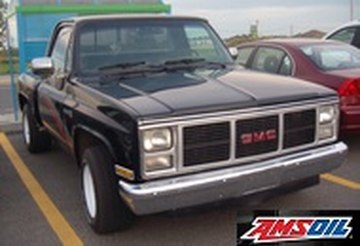
Engine Oil and Filter Maintenance for the 1983 Gmc Trucks K2500
Maintaining the lubrication system is a fundamental aspect of vehicle upkeep. For the 1983 Gmc Trucks K2500 equipped with the 5.7L engine, ensuring that the engine receives clean oil through a functional filter is essential for long-term operation. This guide provides information regarding filtration options and general engine oil maintenance practices.
What oil filter does my 1983 Gmc Trucks K2500 5.7L need?
For this specific vehicle, the following oil filters are listed: the EAO24-EA from AMSOIL Ea Oil Filters and the 51061-EA from WIX Oil Filter.
Understanding Engine Oil Filtration
The oil filter is a critical component of the engine's lubrication circuit. Its primary role is to capture contaminants such as microscopic metal particles, carbon deposits, and dust that may enter the oil during engine operation. As oil circulates through the engine, it passes through the filter media to remove these impurities before the oil is redistributed to vital internal components.
A clogged or inefficient filter can restrict oil flow or allow unfiltered oil to bypass the filtration media, potentially leading to increased wear within the engine. Regularly replacing the filter in conjunction with oil changes helps maintain the integrity of the lubrication system and ensures that the oil remains as clean as possible during its service life.
Engine Oil Viscosity Considerations
Viscosity refers to a fluid's resistance to flow. In an internal combustion engine, the viscosity of the oil must be appropriate for the engine's design and operating temperatures. For this 1983 Gmc Trucks K2500 5.7L, the database allows for the use of 10W-30.
Using an oil with the correct viscosity ensures that the lubricant can flow quickly enough to reach critical components during a cold start while maintaining a sufficient protective film when the engine reaches its normal operating temperature. If you are unsure about which viscosity is appropriate for your specific driving conditions or environmental temperatures, consult the manufacturer's original documentation.
Routine Oil Change Procedures
While specific service intervals vary based on various factors, following a consistent maintenance schedule is vital. You should refer to your owner's manual or the manufacturer's recommended maintenance schedule to determine when oil and filter changes should be performed for your vehicle.
During an oil change, it is standard practice to replace the oil filter at the same time as the oil itself. This prevents old contaminants from being mixed with fresh lubricant. When removing the old filter, ensure that the old gasket is removed from the engine block to prevent a double-gasket installation, which can cause significant leaks. Before installing the new filter, it is common practice to apply a small amount of clean oil to the new filter's gasket to assist with a proper seal and easier removal during the next service.
Monitoring Oil Levels and Condition
Regularly checking the engine oil level using the dipstick is a simple but effective way to monitor the health of your lubrication system. Low oil levels can lead to increased friction and overheating, while excessively high levels can cause aeration or pressure issues.
In addition to checking the quantity, observe the color and consistency of the oil. While oil naturally darkens over time as it collects contaminants, extremely thick, gritty, or milky-looking oil may indicate that a change is overdue or that there is an underlying issue within the engine. Consistent monitoring allows you to address potential problems before they escalate into mechanical failures.
Managing Oil Leaks
A clean engine bay makes it much easier to identify leaks. If you notice oil spots on your driveway or see oil accumulating around the engine block, gaskets, or filter housing, it is important to investigate the source. Common leak points include the oil filter gasket, the drain plug washer, or various engine seals.
Small, slow leaks can gradually lead to low oil levels over time. Addressing these leaks promptly helps maintain proper lubrication and prevents environmental contamination. If a leak appears to be coming from the oil filter, ensure it was installed correctly and that the gasket seated properly against the mounting surface.
BUYING ENGINE OIL
When you are ready to purchase supplies, focus on selecting products that meet your vehicle's requirements. When buying engine oil, verify that the viscosity matches what is recommended for your specific application. Always check the packaging to ensure the product is intended for use in your engine type. Additionally, when purchasing oil filters, refer to the listed part numbers for your 1983 Gmc Trucks K2500 5.7L to ensure you are obtaining a filter that matches the specifications of your vehicle.